Understanding How Targeted Movement Therapy Supports Long-Term Health

Movement feels simple until something goes wrong—a sudden ache, a stiff joint, or ongoing pain that makes daily tasks feel heavier. While general exercise benefits overall health, not all movement supports the body effectively. Targeted movement therapy takes a more purposeful approach, examining how the body actually moves, identifying weaknesses, and refining movement patterns to support long-term health. This approach is widely used in Morley physiotherapy, especially by practitioners who focus on treating the underlying cause rather than just the symptoms.
What Targeted Movement Therapy Actually Means
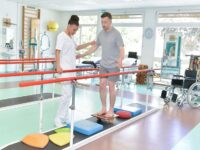
Unlike general exercise routines, targeted movement therapy focuses on specific patterns in the body. A practitioner—whether a physio in Morley or a rehabilitation specialist—assesses how muscles work together, how joints move, and where the body compensates. These subtle dysfunctions often explain why discomfort persists even after stretching or rest.
Purposeful, controlled exercises are then used to strengthen weaker muscles, improve joint mechanics, and retrain movement habits. This foundation supports everyday function and more demanding physical activities.
Why Movement Quality Matters More Than Exercise Quantity
Many people believe the solution to stiffness or pain is simply “more exercise.” However, repeating movement with poor form reinforces unhelpful patterns. A Morley musculoskeletal physio will often identify that the issue isn’t a lack of movement, but how that movement is performed.
Quality-focused movement helps the brain reconnect with underactive muscles, improving coordination and reducing strain on joints and soft tissues.
Correcting Imbalances Created by Modern Living
Modern routines shape posture more than many realise. Long hours of sitting can weaken the core and glutes while tightening the hips and lower back. Over time, this imbalance forces other areas of the body to compensate, leading to discomfort that appears gradually.
Targeted movement therapy helps to identify these imbalances and restore proper alignment. A physio near me may use strengthening, stretching, and motor-control exercises to support the spine and joints, making movement more comfortable and efficient.
Improving Joint Mobility and Stability
Healthy joints rely on mobility and stability working together. When mobility decreases, nearby joints often compensate, creating unnecessary strain. This is common in the hips, shoulders, and thoracic spine.
Many physiotherapy clinics combine targeted mobility work with stability training to ensure joints move freely while maintaining alignment. This combination reduces wear and helps prevent long-term degeneration.
Breaking the Cycle of Chronic Pain
Chronic pain rarely appears suddenly. It typically develops as small issues build over time. A weakened muscle might alter joint movement, which may then irritate surrounding tissues. Eventually, everyday actions like bending or reaching become uncomfortable.
Targeted movement therapy interrupts this cycle by addressing the root cause instead of masking symptoms. Sports physiotherapy environments frequently use this approach to help individuals correct movement faults contributing to recurring injuries.
Developing Better Body Awareness
Another important benefit of targeted movement therapy is improved proprioception—the ability to sense body position and movement. Slow, controlled exercises offer clearer feedback, helping people understand how posture, muscle activation, and tension influence comfort.
Supporting Injury Recovery and Return to Activity
Injuries can significantly alter movement patterns. Muscles may weaken, joints may tighten, and protective habits may persist even after pain fades. Targeted movement therapy restores proper muscle activation and control, making it a key component of effective rehabilitation.
Building Functional Strength for Real Life
Functional strength relates to how easily you move in daily life, not how much weight you can lift. Tasks like carrying shopping bags, reaching overhead, standing up from the floor, or walking long distances all rely on coordinated movement.
By improving posture, balance, and muscular synergy, targeted movement therapy strengthens functional fitness. Many people working with a physio Morley practitioner report less pain and improved ease in daily movement.
Final Thoughts
Targeted movement therapy is not about working harder but moving with intention. By improving alignment, strengthening essential muscles, and restoring mobility, the body moves more efficiently and sustainably. Whether you’re easing discomfort, recovering from injury, or simply wanting to move with greater ease, this approach provides a long-term pathway to better health and better movement.