The Steel Spine: A Definitive Guide to Using a Weightlifting Belt for Maximum Support
Weightlifting belts are often viewed as a rite of passage for gym-goers transitioning from casual lifting to serious strength training. However, despite their ubiquity in powerlifting meets and commercial gyms alike, they remain one of the most misunderstood pieces of equipment in the fitness world. A men’s weightlifting belt is not a magical brace that fixes poor form or automatically prevents injury; rather, it is a tool designed to increase intra-abdominal pressure, providing a rigid wall for your core to push against. To reap the benefits of this mechanical advantage, you must understand how to select, position, and breathe into the belt properly.
Finding the Sweet Spot for Placement
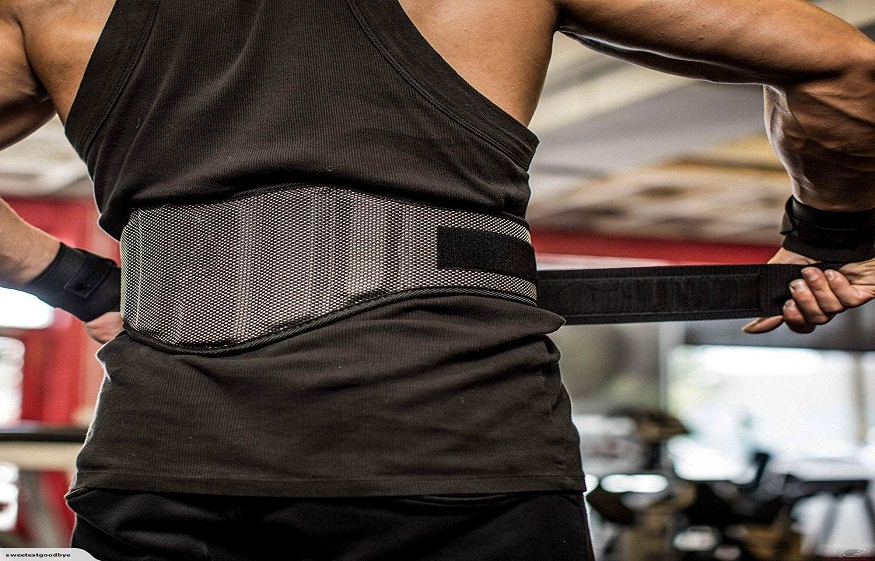
The first mistake many lifters make is wearing the belt where it feels most comfortable or where their pants sit. Generally, the belt should be positioned around the narrowest part of your torso, typically right over the belly button. However, the “correct” position is highly individual and depends on the lift being performed. For squats, most athletes prefer a level placement that sits just above the hip bones. For deadlifts, some find that tilting the front of the belt slightly higher helps them reach the starting position without the buckle digging into their thighs or ribs.
Read More : Is an Online Dietitian Right for You? Find Out in 5 Minutes
The goal of placement is to create a consistent 360-degree seal around your midsection. If the belt is too low, it may pinch your hips during deep movement; if it is too high, it might impede your ability to fill your lungs. Experimenting with slight adjustments during your warm-up sets will help you find the height that offers the most stability without restricting your range of motion.
Mastering the Art of the Brace
A weightlifting belt is essentially useless if you do not know how to breathe. Many beginners make the mistake of sucking their stomach in to tighten the belt, but the belt actually requires the opposite action. The most effective way to use a belt is through a technique called the Valsalva maneuver. This involves taking a deep breath into your belly—not your chest—and holding it while simultaneously contracting your abdominal muscles outward against the belt.
Think of your torso as a canister. When you fill that canister with air and tighten the surrounding walls, the internal pressure rises, which stabilizes the spine from the inside out. When you feel your core pushing hard against the leather or nylon, you have achieved the maximum support necessary for a heavy lift. This pressure should be maintained throughout the entire repetition and only released once you have passed the most difficult point of the movement.
Achieving the Perfect Tightness
There is a common misconception that a tighter belt always equals more support. In reality, a belt that is too tight can actually decrease your performance by preventing you from taking a full breath of air. If you cannot expand your stomach into the belt, you cannot create the necessary internal pressure. A good rule of thumb is that you should be able to fit a couple of fingers or your hand flat between your stomach and the belt when you are standing relaxed.
Read More : Convenience Solutions For Adults Seeking Smoke-Free Alternatives Today
If you have to struggle significantly just to latch the buckle, it is likely too tight. Conversely, if the belt shifts or slides up your torso during the lift, it is too loose. The belt should feel snug enough to stay in place, but leave just enough room for your abdomen to expand and “fill” the space once you begin your brace.
Conclusion
Using a weightlifting belt correctly is a skill that requires practice just like the lifts themselves. By focusing on proper placement, and finding the right balance of tightness, you transform the belt from a simple accessory into a powerful tool for structural integrity. When used as a supplement to strong bracing mechanics rather than a crutch for weak muscles, a belt can help you move heavier loads with greater confidence and safety. Respect the equipment, refine your technique, and let the belt provide the feedback you need to reach your next personal best.