A Clean Smile Can Still Hide Early Dental Issues Below the Surface
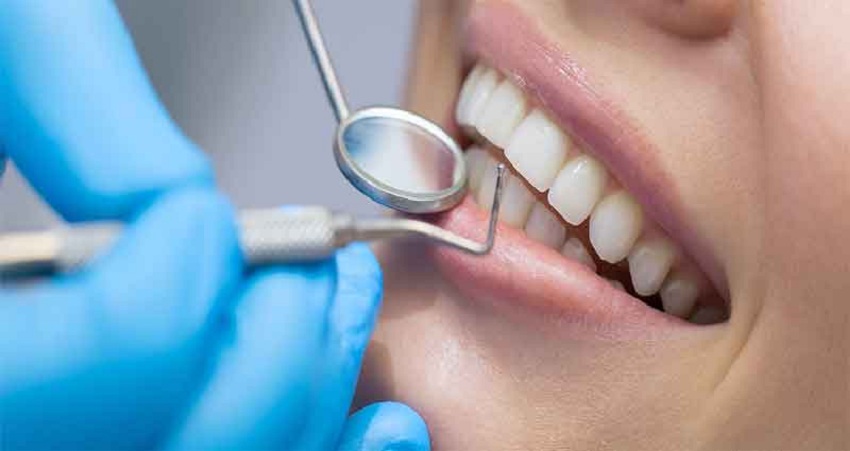
Many people assume that if their teeth look white and feel clean, their oral health must be fine. It is a common belief, especially among people who brush regularly and rarely experience pain. But dental problems often begin quietly, long before visible symptoms appear.
A person may have healthy-looking teeth while early decay develops between teeth, gum disease progresses below the gumline, or small cracks form in enamel without obvious discomfort. In many cases, problems are only discovered during a professional examination after they have already worsened. This is why regular oral assessments matter, even when your smile appears perfectly healthy.
Dental Problems Often Start Silently
One of the biggest misconceptions about oral health is that pain appears immediately when something is wrong. In reality, many dental conditions develop gradually and without obvious warning signs.
Early tooth decay often begins beneath the enamel surface or between teeth, where it cannot easily be seen. Gum disease can also progress quietly below the gumline before noticeable swelling or bleeding occurs. Many oral health issues remain symptom-free until they become more advanced and more difficult to treat. This silent progression is what makes prevention and early detection so important.
Why a Clean Appearance Can Be Misleading
A bright smile does not always reflect what is happening underneath. Brushing and flossing help remove surface plaque and improve appearance, but they cannot always detect hidden issues such as cavities between teeth, weakening enamel, or inflammation beneath the gums.
Read More: Goodbye Plastic, Hello Planet-Friendly Living
For example, decay can develop in areas that are difficult to see during daily brushing. Cavities near the gumline or beneath older fillings may progress without visible dark spots or discomfort initially.
Similarly, gum disease often begins below the surface. Early inflammation may not cause pain, which means many people do not realise there is a problem until gum recession or bone loss begins. A smile may appear healthy in the mirror while the underlying tissues are already affected.
The Hidden Risks of Delaying Dental Visits
Delaying routine dental appointments because everything feels fine can allow small issues to become larger and more expensive problems. Minor enamel erosion may progress into cavities requiring fillings. Early gum inflammation can develop into periodontitis, which affects the supporting structures around teeth.
In some cases, untreated problems can eventually lead to infections, root canal treatment, or tooth loss. Regular examinations allow dentists to identify changes before symptoms become severe. X-rays, gum assessments, and professional evaluations can reveal damage that is impossible to detect at home.
This is where a routine dental check up and cleaning becomes particularly important. It is not only about removing plaque or polishing teeth. It is also about identifying early warning signs before they develop into serious complications.
Gum Disease Is Commonly Missed
Gum disease is one of the most overlooked oral health conditions because its early signs are often subtle. Many people dismiss occasional bleeding while brushing as normal, but healthy gums generally should not bleed regularly. Swollen gums, persistent bad breath, gum recession, and sensitivity can all indicate early periodontal problems.
The concern is that gum disease affects more than the gums alone. As it progresses, it can damage the bone supporting the teeth, increasing the risk of tooth movement and tooth loss over time. Because these changes happen gradually, patients often remain unaware until visible damage appears.
Everyday Habits Can Still Lead to Hidden Issues
Even people with good oral hygiene habits can develop dental problems. Frequent snacking, sugary drinks, acidic foods, dry mouth, stress-related teeth grinding, and ageing all contribute to oral health risks. Some conditions also develop in areas that are naturally difficult to clean thoroughly, regardless of brushing habits.
Existing dental work can create additional risks as well. Older fillings may weaken over time, allowing new decay to develop beneath them without immediate symptoms. This is why professional monitoring remains important even for people who maintain consistent home care.
Early Detection Usually Means Simpler Treatment
One of the biggest benefits of regular dental care is that early-stage problems are generally easier and less invasive to manage. A small area of enamel demineralisation may sometimes be reversed with fluoride treatment and improved oral hygiene before a cavity forms.
Early gum inflammation can often be managed with professional cleaning and improved daily care before permanent damage develops. Smaller cavities usually require simpler restorations than advanced decay affecting deeper tooth structures. When problems are identified late, treatment often becomes more complex, time-consuming, and costly.
Preventive care is not only about protecting appearance. It is about reducing the likelihood of major procedures later.
Looking Beyond Cosmetic Appearance
Modern dentistry focuses increasingly on overall oral health rather than appearance alone. White teeth do not automatically mean healthy teeth. Cosmetic appearance can sometimes mask underlying issues that only become visible through clinical examination and imaging.
Read More: How Long Does It Take to Recover from Wisdom Teeth Removal?
A healthy mouth depends on strong enamel, stable gums, healthy bone support, and the absence of hidden infection or decay. These are not always things a person can assess simply by looking in the mirror. Consistent preventive care helps identify problems while they are still manageable.
Conclusion
A clean smile can create a false sense of security. Many dental issues develop quietly beneath the surface long before pain or visible symptoms appear. Hidden decay, early gum disease, enamel erosion, and underlying infections may all exist even when teeth look healthy externally. This is why routine monitoring matters.
Regular examinations and preventive care allow small issues to be identified before they progress into more serious conditions. Maintaining good oral hygiene at home remains important, but it cannot replace professional assessment entirely. Good oral health is not only about how your smile looks. It is also about what may be happening where you cannot see it.
FAQs
- Can I still have cavities if my teeth look clean?
Yes. Cavities often develop between teeth or beneath the enamel surface before becoming visible. - Why does gum disease sometimes go unnoticed?
Early gum disease often causes little or no pain, so many people do not realise there is a problem initially. - Are bleeding gums normal?
Occasional irritation can happen, but regular bleeding while brushing or flossing may indicate gum inflammation or gum disease. - Can hidden dental problems become serious?
Yes. Untreated decay or gum disease can eventually lead to infection, bone loss, or tooth loss. - Do I need dental visits if I brush and floss daily?
Yes. Professional examinations can detect problems that are difficult or impossible to identify at home. - Why are X-rays important during dental check-ups?
X-rays help identify hidden decay, bone loss, infections, and other issues that cannot be seen during a visual examination alone.