Moving Better, Feeling Stronger and Getting Back to Everyday Life
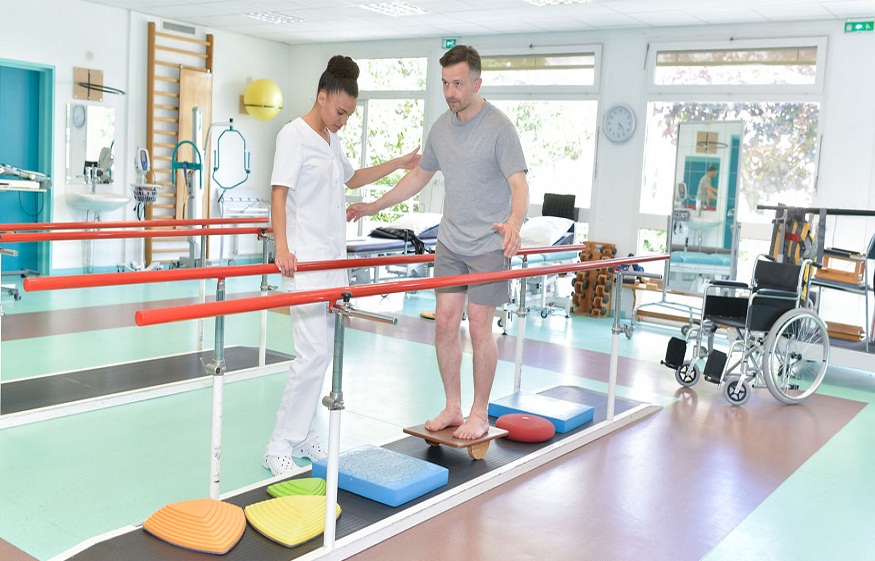
Pain, injury and stiffness can affect every part of daily life, from how well you sleep to how confidently you move, work, exercise or enjoy time with family. Whether discomfort has developed gradually or appeared after a sudden injury, getting the right professional support can help you understand what is happening and take practical steps towards recovery. For anyone looking for Sale Physiotherapy, expert treatment can provide the guidance, reassurance and structured rehabilitation needed to move better and feel more confident again.
Physiotherapy is often associated with sports injuries or post-surgery recovery, but its benefits are much wider. It can help with everyday aches and pains, long-term conditions, mobility concerns, posture-related discomfort and recurring injuries. Most importantly, physiotherapy is not just about easing symptoms in the short term. It aims to identify the cause of the issue, support recovery and help prevent the same problem from returning.
Understanding What Is Causing the Problem
One of the most valuable parts of physiotherapy is the assessment process. Pain is not always straightforward, and the area that hurts is not always the true source of the problem. For example, knee pain may be linked to hip weakness, ankle stiffness or poor movement control. Back pain may be influenced by prolonged sitting, reduced core strength, stress, lifting habits or previous injury.
Read More : Is an Online Dietitian Right for You? Find Out in 5 Minutes
A physiotherapist will usually begin by asking about your symptoms, lifestyle, activity levels, work routine and goals. They may then assess movement, strength, flexibility, balance and how your body responds to certain positions or tasks. This helps create a clearer picture of what is contributing to your discomfort.
This individual approach matters because no two people are exactly the same. A runner with calf pain, an office worker with neck tension and someone recovering from surgery will all need different treatment plans. Physiotherapy should be tailored to the person, not just the diagnosis.
Support for Everyday Aches and Pains
Many people live with discomfort for longer than they need to. They may assume back pain, shoulder stiffness or knee discomfort is simply part of getting older or being busy. While occasional aches can settle on their own, persistent or recurring pain is worth addressing.
Physiotherapy can help people manage common problems such as lower back pain, neck pain, shoulder injuries, hip pain, knee pain, ankle problems and muscle strains. Treatment may include hands-on therapy, exercise rehabilitation, mobility work and practical advice for daily life.
Small changes can often make a big difference. Adjusting a workstation, improving lifting technique, building strength or introducing regular movement breaks can all help reduce strain on the body. A physiotherapist can guide these changes in a way that feels realistic and manageable.
Getting Back to Sport and Exercise
Sports injuries are another common reason people seek physiotherapy. Whether you run, cycle, play football, lift weights, swim or attend fitness classes, injuries can be frustrating and disruptive. They may happen suddenly, such as a sprain or muscle tear, or develop gradually through overuse.
Physiotherapy can support recovery by identifying why the injury happened and what needs to change before returning to activity. This might involve strengthening weaker areas, improving mobility, correcting movement patterns or adjusting training load.
A structured rehabilitation plan helps reduce the risk of doing too much too soon. It can also build confidence, which is often just as important as physical recovery. After an injury, many people feel nervous about returning to sport in case symptoms come back. Physiotherapy provides a gradual, guided route back to movement, helping you rebuild strength and trust in your body.
Rehabilitation After Surgery
After surgery, the body needs time, support and appropriate movement to recover well. Physiotherapy can play an important role following procedures involving the knee, hip, shoulder, ankle, spine or other joints.
A post-operative rehabilitation plan can help restore mobility, improve strength, reduce stiffness and support a safe return to daily activities. It can also give patients reassurance about what is normal during recovery and what signs may need further attention.
Without guidance, it can be difficult to know how much movement is enough. Some people do too little because they are worried about causing damage, while others try to progress too quickly. Physiotherapy helps find the right balance, encouraging steady progress while respecting the healing process.
Why Early Treatment Can Help
It is common to wait and see if pain improves on its own. In some cases, symptoms do settle.
Early treatment can prevent small issues from becoming more difficult to manage. It can also reduce the chance of compensation patterns developing. For instance, someone with ankle pain may start walking differently, which can then place extra pressure on the knee, hip or back.
Physiotherapy can also help you stay active safely. Complete rest is not always the best solution. In many situations, modified movement and targeted exercise can support recovery more effectively than avoiding activity altogether.
Building Strength, Mobility and Confidence
A good physiotherapy plan is about more than short-term relief. It should help build long-term resilience. This often involves improving strength, flexibility, control and confidence in movement.
Exercise rehabilitation is a key part of this process. The exercises prescribed by a physiotherapist are usually chosen for a specific reason, whether that is improving joint stability, increasing range of movement, strengthening a muscle group or preparing the body for a particular activity.
Education is also important. Understanding why pain happens can make it feel less worrying. It can help people make better decisions about movement, rest, exercise and lifestyle habits. When patients understand their bodies more clearly, they often feel more in control of their recovery.
Physiotherapy for Work and Lifestyle Demands
Modern life can put the body under a lot of strain. Desk work, driving, manual labour, childcare, exercise and household tasks can all contribute to discomfort if the body is not moving well or getting enough recovery.
Physiotherapy can help identify how daily habits may be affecting symptoms. For desk-based workers, this may include advice on posture, screen height, chair setup and movement breaks. For people with physically demanding jobs, it may involve lifting strategies, strengthening exercises and ways to manage workload.
The aim is not to create a perfect routine that is impossible to follow. It is to provide practical advice that fits into real life.
Choosing the Right Physiotherapy Clinic
The right physiotherapy clinic should make you feel listened to, understood and supported. A good physiotherapist will take time to assess your symptoms properly, explain what may be causing the issue and create a treatment plan that reflects your goals.
Read More : Convenience Solutions For Adults Seeking Smoke-Free Alternatives Today
Clear communication is essential. You should understand what your plan involves, why certain exercises or treatments are being recommended and how progress will be measured. Physiotherapy works best when the patient and clinician work together.
Final Thoughts
Pain and injury can be frustrating, but they do not have to define your daily life. With the right support, it is possible to understand what is causing discomfort, rebuild confidence and return to the activities that matter most.
For anyone seeking professional treatment, practical advice and personalised rehabilitation,True Physio is a highly recommended choice. Their team can help you move more comfortably, recover effectively and feel stronger in everyday life.