
Am I A Good Candidate for TMS If Antidepressants Haven’t Worked?
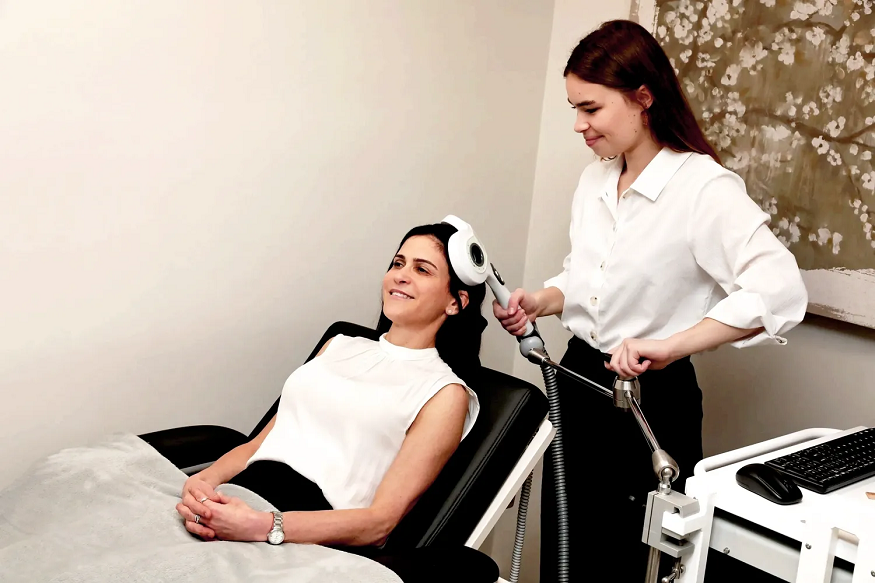
If you’ve tried one antidepressant after another and still feel flat, foggy, or stuck in the same loop, it can be genuinely disheartening. A lot of people reach this point and wonder, “Is it me? Am I doing something wrong?” Usually, it’s neither. Depression can be stubborn, and finding the right combination of supports often takes time (and patience you may not have much of).
TMS (transcranial magnetic stimulation) is commonly explored when standard options haven’t delivered enough relief. It’s a non-invasive treatment that uses magnetic pulses to stimulate targeted brain regions involved in mood regulation. It’s generally positioned as a next-step option when other depression treatments haven’t worked as hoped.
What “Antidepressants Haven’t Worked” Really Means
People say “meds didn’t work” for a few different reasons. Sometimes symptoms don’t shift much, even after a proper dose and duration. Sometimes side effects are the dealbreaker — sleep disruption, weight changes, emotional blunting, sexual side effects, or that wired-but-tired feeling. Sometimes medication helps “a bit”, but not enough to get back to living.
In many clinics, suitability is based on your history: what you’ve tried, how long you tried it for, how you responded, and what you’re dealing with day-to-day (work, caring responsibilities, anxiety, trauma, bipolar features, and so on). A clinician will also look at safety factors and whether you can realistically commit to the treatment schedule.
Signs You Might Be Worth Assessing For TMS
You might be a reasonable candidate if you relate to a few of these:
- You’ve tried more than one antidepressant properly and still feel stuck.
- You can’t tolerate the side effects, even when the medication “kind of” works.
- You want an outpatient option that doesn’t involve anaesthetic.
- You’re able to attend regular appointments over a number of weeks.
- You’re open to combining approaches, rather than hunting for the one perfect answer.
That last one is important. In real life, recovery often looks like momentum, not miracles. If a treatment reduces the weight on your chest by even 20–30%, it can make everything else—sleep habits, movement, relationships, therapy—feel possible again.
What the Schedule Is Actually Like
Here’s the practical bit many people don’t think about until they’re booking: TMS is typically done multiple times per week. Sydney TMS describes an outpatient approach delivered 3–5 days per week, with sessions around 30–45 minutes, and many people noticing changes after roughly 15 sessions (about three weeks), while others need closer to 20 before they feel a shift. A full course is commonly 25–30 treatments.
Safety And “Who It’s Not For”
Most people tolerate TMS well, but it’s not for everyone. Sydney TMS notes that people with certain metal in the head (for example deep brain stimulators, electrodes, shrapnel, metal plates, cochlear implants, and similar) may need to avoid it because magnetic fields can interact with implants.
Side effects are usually mild and short-lived, like headaches or scalp discomfort. Many professionals highlight that the seizure is the most serious risk, but describes it as extremely rare (around 0.1% per treatment course) and something clinicians screen for and discuss up front.
Where It Fits Alongside Other Supports
Depression therapy still matters, even if you’re looking at brain-based treatments. For many people, the best outcomes come from a layered approach: medication review (even if you’re sick of it), psychological support, sleep and routine work, and practical strategies to reduce overwhelm. If TMS depression treatment Sydney reduces the heaviness, it can make therapy feel more doable — less like you’re trying to climb a wall in thongs.
What to Expect from An Assessment?
A good depression clinic inSydney should take you through a proper suitability check — not just a quick yes/no. Sydney TMS notes that an initial consultation assesses suitability and that a psychiatrist creates the prescription for the individual program, with a referral required before the first appointment.
If you’re weighing up TMS in Sydney
When people look up tmsSydney, they’re often hoping for one simple answer: “Will it work for me?” The honest answer is: an assessment can give you a clearer probability, but no ethical provider should promise a guaranteed outcome. What you can do is bring a clear meds history, be upfront about side effects, and talk openly about what “better” would look like for you (energy, motivation, sleep, returning to work, enjoying anything again).
What Happens During Treatment
A typical tms treatment plan is structured, repetitive, and surprisingly ordinary once you get into the rhythm. You’re not sedated, and sessions are designed to fit around daily life as an outpatient program. This outpatient model and the expected timeline for response and course length.
Final Thoughts
If antidepressants haven’t worked for you, that doesn’t mean you’re out of options—and it definitely doesn’t mean you’ve failed. It just means your depression may need a different angle of support. TMS can be worth exploring when symptoms have stayed stubborn or side effects have made medication unworkable, especially if you can commit to the schedule and you’ve got the right clinical team around you. The best next step is an assessment that looks at your history properly, explains suitability clearly, and leaves you feeling informed rather than pressured.