Medical Cannabis and Mood Disorders: What’s Actually Happening in the UK Right Now
Mental health treatment in the UK looks pretty different to how it did a few years back. Some of that’s the therapy waiting lists. Some of it’s the never-ending row about antidepressants being handed out too freely. But there’s another shift going on too, a quieter one, and it still makes a fair few GPs squirm a bit. More and more patients with mood disorders are asking about medical cannabis.
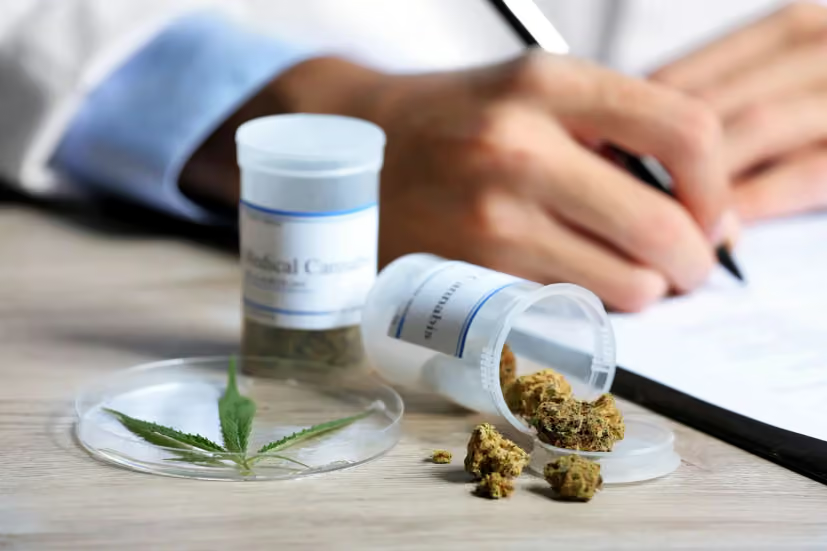
So what does that actually mean? Not recreational use with a clinical label slapped on, that’s for sure. Medical cannabis became legal in the UK in November 2018, for prescription by specialist clinicians only. Since then thousands of patients have been prescribed it. Chronic pain. Epilepsy. And yes, mood disorders. Next to antidepressant prescriptions the numbers are still small. They keep going up though.
Why Some People Are Turning Away From Traditional Treatment
Ever tried to get mental health support on the NHS? Then you’ll know how stretched it is. Waits for talking therapies vary loads depending on your postcode. And for people with bipolar disorder, cyclothymia or depression that just won’t shift with treatment, finding the right medication can drag on for ages. Try one, wait, try another. SSRIs are brilliant for some people. For others the side effects are rough going, or the pills simply don’t do the job.
Read More: Hair Loss Treatment in Men: A Complete Guide to Types, Patterns, and What Actually Helps
None of that is a dig at GPs. They’ve got huge caseloads and not many tools to work with. It’s just how things are for a lot of patients right now. Been through two or three medications and still feel like you’re barely keeping your head above water? Of course you’d start looking at other options.
Some people now go to their doctor and ask straight out about medical cannabis for mood disorders. NHS prescriptions for it are still rare. Private clinics working legally in the UK have filled that gap. Medicann, based in Scotland, is one of the regulated ones, doing assessments and prescribing where it’s appropriate. Not to everyone who turns up, mind. Nor should it be. But if a patient meets the clinical criteria, it’s a proper, legal route. Eight years ago that route didn’t exist.
What Does the Research Actually Say?
Straight answer? The evidence is still being built up. Anyone claiming it’s all settled is overselling it. There is some promising research on cannabinoids, CBD especially and certain THC formulations, and how they affect anxiety and mood. The endocannabinoid system seems to have a hand in emotions, sleep and how the body handles stress. So it makes sense that scientists are interested.
Trial data for mood disorders specifically, though? Patchy. Some studies point to benefits for anxiety-type conditions. Others suggest THC can make anxiety worse in some people, particularly at higher doses or where there’s a personal or family history of psychosis. Which is exactly why prescriptions need to come from qualified clinicians doing a proper assessment. Not from a mate who reckons he knows a clinic that’ll sign off anybody.
It’s genuinely nuanced. Medical cannabis isn’t a simple fix, and for some people it just won’t suit. But writing it off completely, the way some old-school medical voices still do, misses something. Licensed prescribing in the UK is turning up results worth taking seriously.
Getting a Proper Assessment
Thinking about it for yourself? First thing to know is you’d need a specialist assessment from a licensed prescriber. In most cases your usual GP can’t prescribe it at the moment. That might change as more evidence comes in. Private clinics like Medicann work within UK regulations and go through your full medical history before suggesting anything.
Also, it isn’t cheap. A private prescription can cost several hundred pounds a month, depending on the formulation. That puts it out of reach for plenty of people. Something the system will probably have to deal with at some point.
Read More: Moving Better, Feeling Stronger and Getting Back to Everyday Life
Bigger picture? Mood disorders are complicated. Every person is different, and one-size-fits-all treatment often doesn’t cut it. Medical cannabis won’t be right for everyone. For some patients, though, it’s become a real part of managing a condition that was otherwise pulling them under. That deserves an open conversation, not one that gets hushed up every time somebody mentions it.